
AI consulting: What to expect before you hire
Guides·October 23, 2026
AI consulting should turn a real workflow into a clear implementation plan. Learn what to ask for, how to compare firms, and when an audit is unnecessary.
Guides, case studies, and best practices for turning manual business processes into automated workflows.

Salesloft and Clari named 1mind as Drift's successor when they announced Drift's sunset in March 2026. Here's what's actually verified about 1mind, and how Dapto Frontdesk compares for the self-serve website chat, qualification, and booking work Drift customers used it for.
AI consulting should turn a real workflow into a clear implementation plan. Learn what to ask for, how to compare firms, and when an audit is unnecessary.
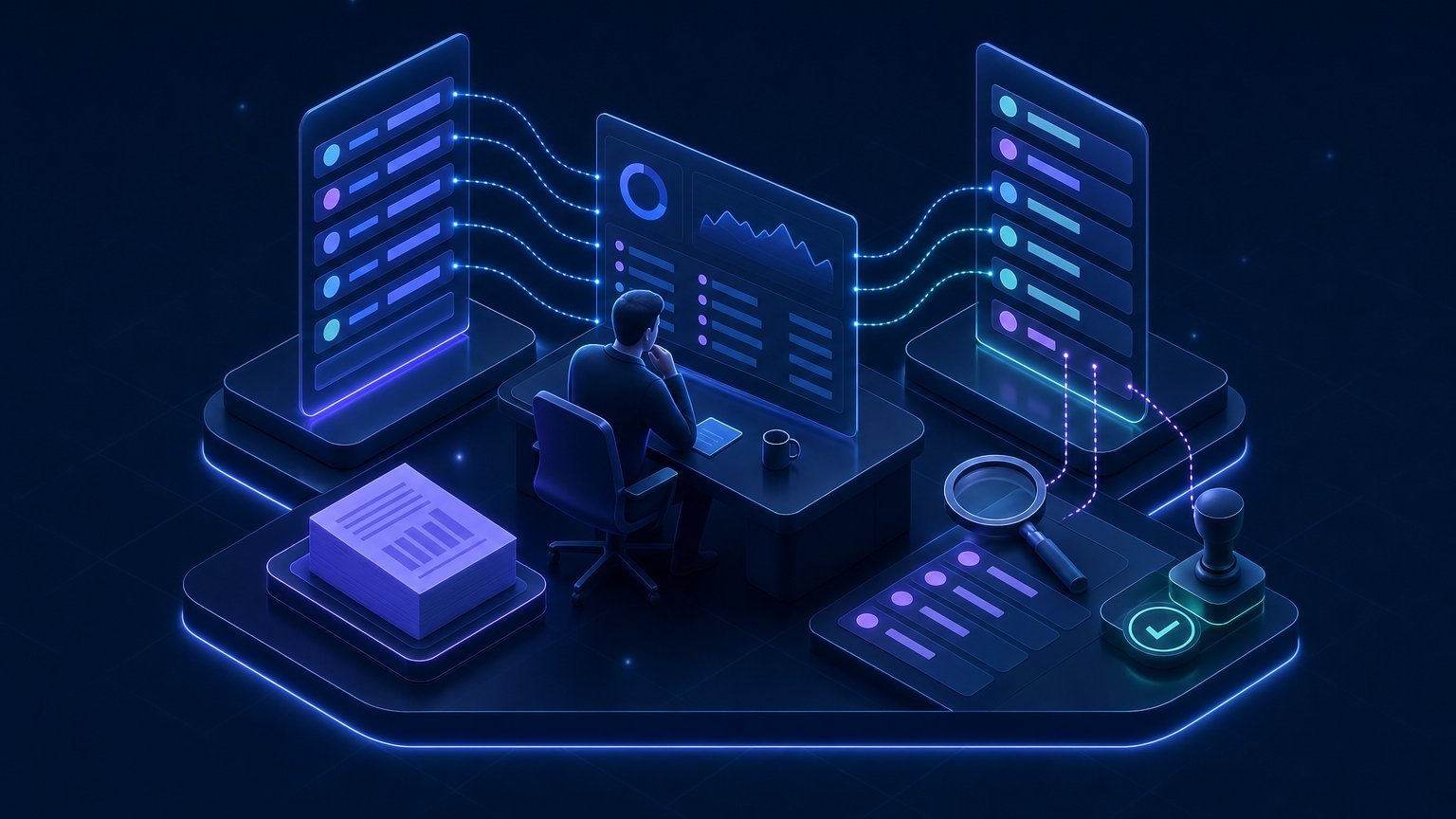
Explore AI in finance for reconciliation and recurring reports. Compare approaches, check source records, and keep financial decisions with your team.
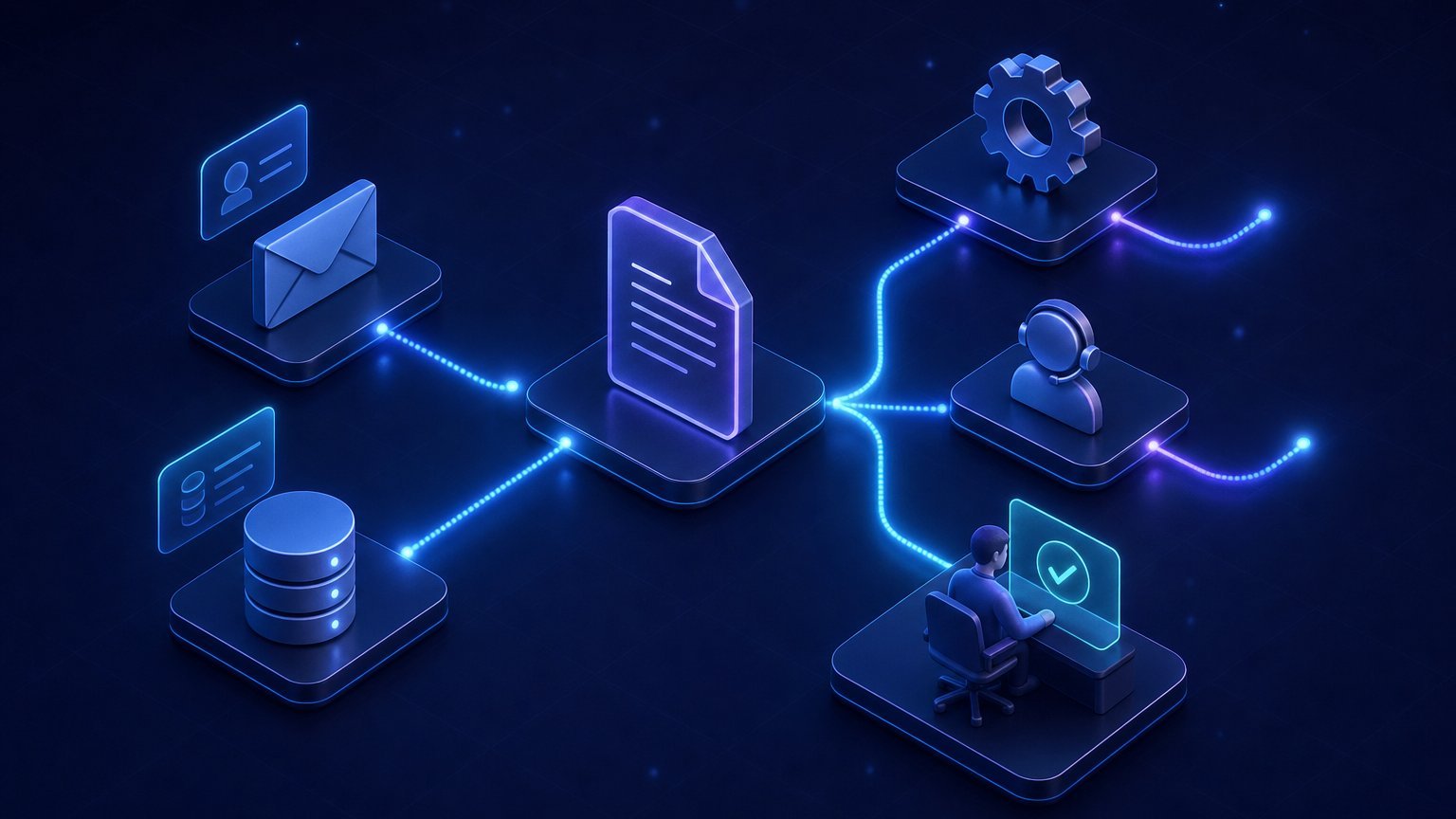
Learn how AI automation works across existing systems, which steps need an agent, which need simple rules, and which decisions should stay with your team.

Choose an AI voice agent that checks caller information, completes approved requests and hands exceptions to your team. Use this practical buyer's guide.
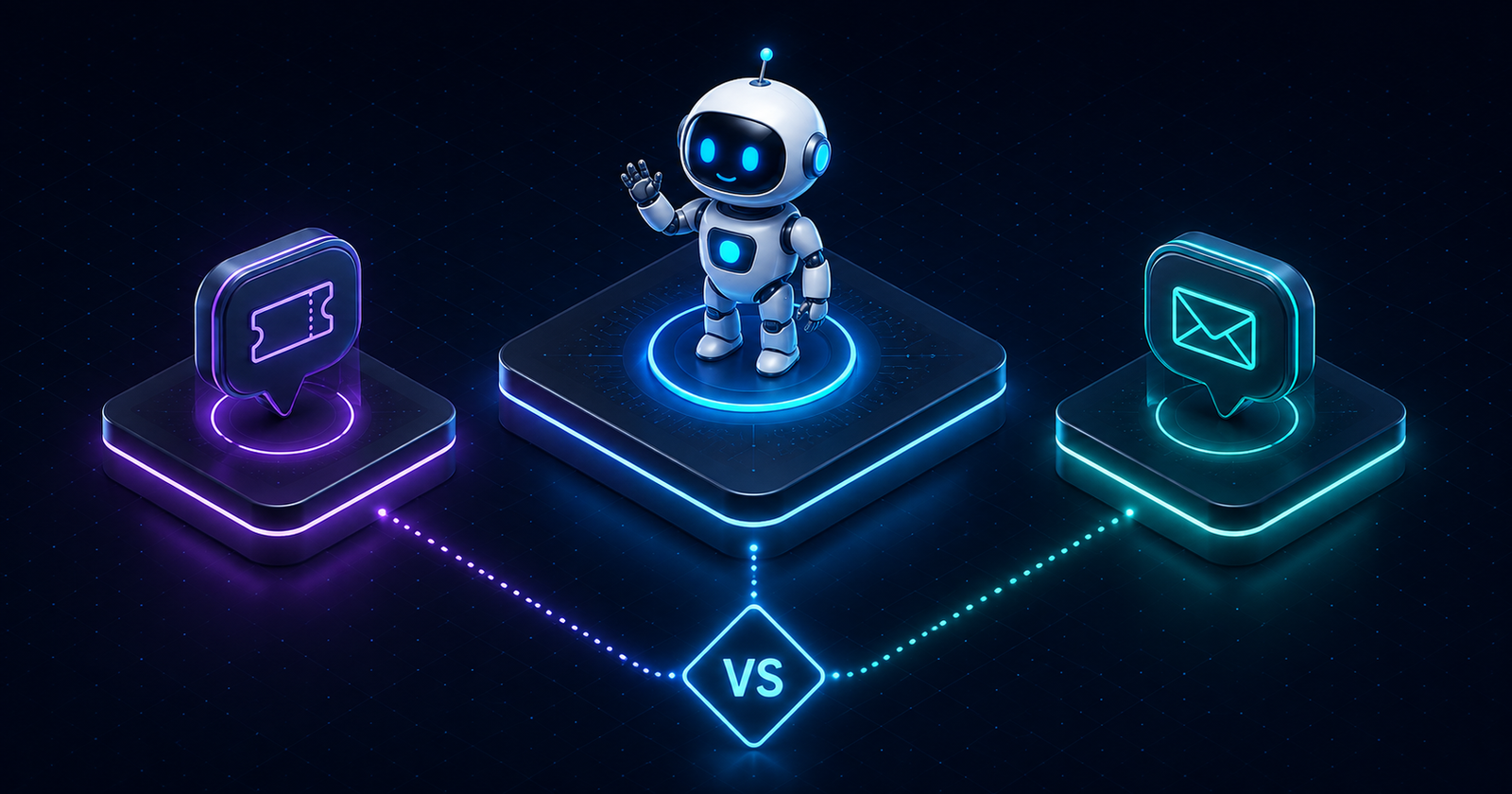
Dapto Frontdesk is a self-serve AI agent that answers customers directly across every channel on a fixed bill. Zendesk and Front are software for human teams, with AI resolutions typically layered on as a separate add-on.
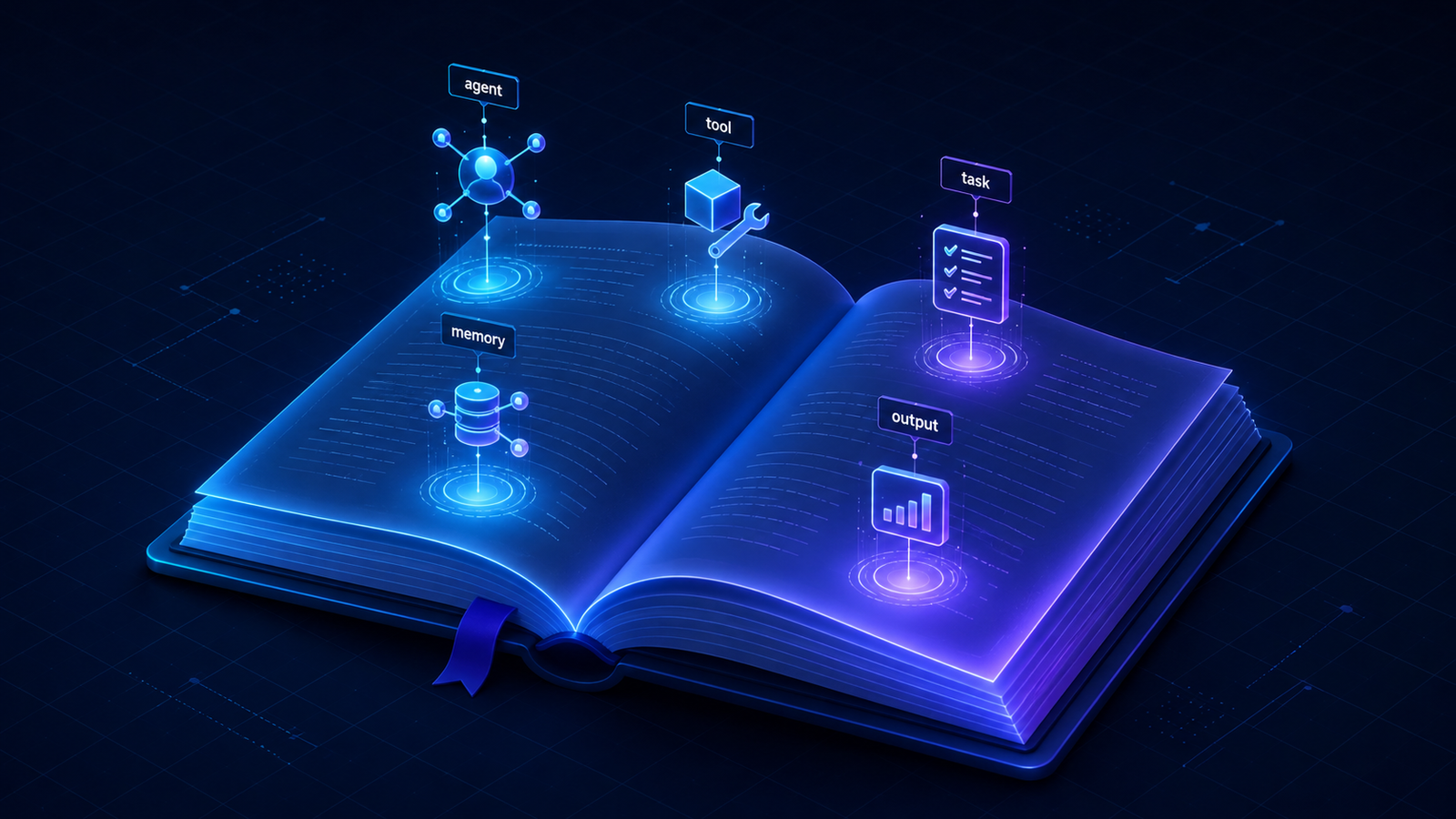
Clear, one-paragraph definitions of the AI agent terms that come up most - agentic AI, multi-agent architecture, shadow AI, AI governance, and model routing - with links to deeper guides on each.

A self-assessment checklist for how mature your organization's AI governance actually is, from ad-hoc shadow AI use to a fully audited, policy-driven rollout.

The real difference between a calendar-scheduling link and AI appointment booking software that answers questions and qualifies a visitor before it books - what to check, what no-show data says about pre-qualification, and how to evaluate one properly.

A simple, honest formula for estimating what a repeated manual process is actually costing you, and what automating it could realistically be worth - no signup or gated download required.

A buyer's guide to AI chatbots for small business - the questions to ask before you sign up, how the pricing models actually work, which tool fits which business, and the evaluation checklist most buyers skip.

What AI customer service software actually covers, the difference between deflection and resolution, how to tell a support-ticket tool from a front-office tool, and what to check before buying either.
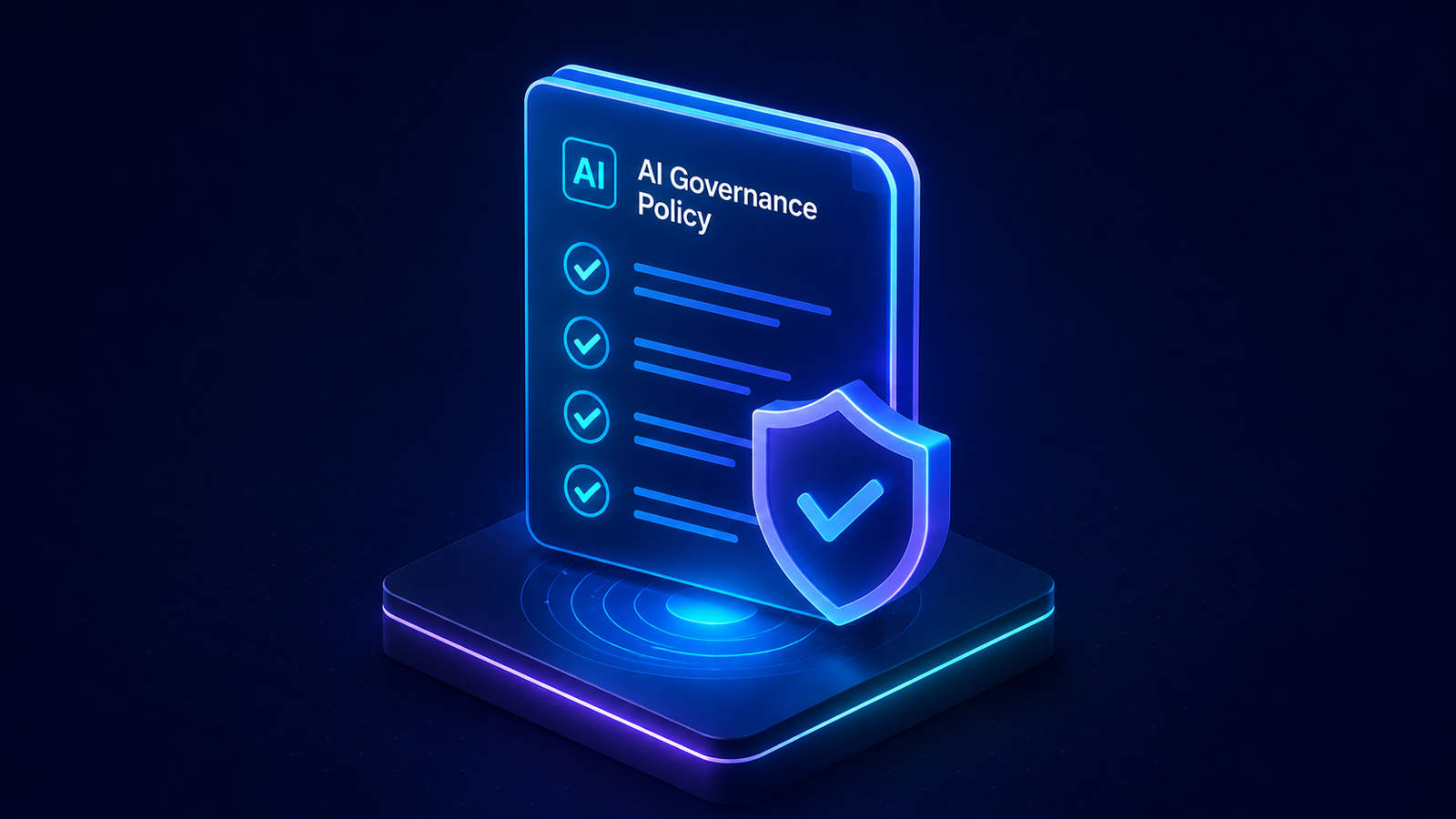
A usable AI governance policy template covering approved tools, data handling rules, and review responsibilities - free to copy and adapt, no signup required.

What AI lead qualification software actually does, how it differs from a lead capture form or a scoring tool, why speed matters more than most buyers realize, and what to check before you buy one.
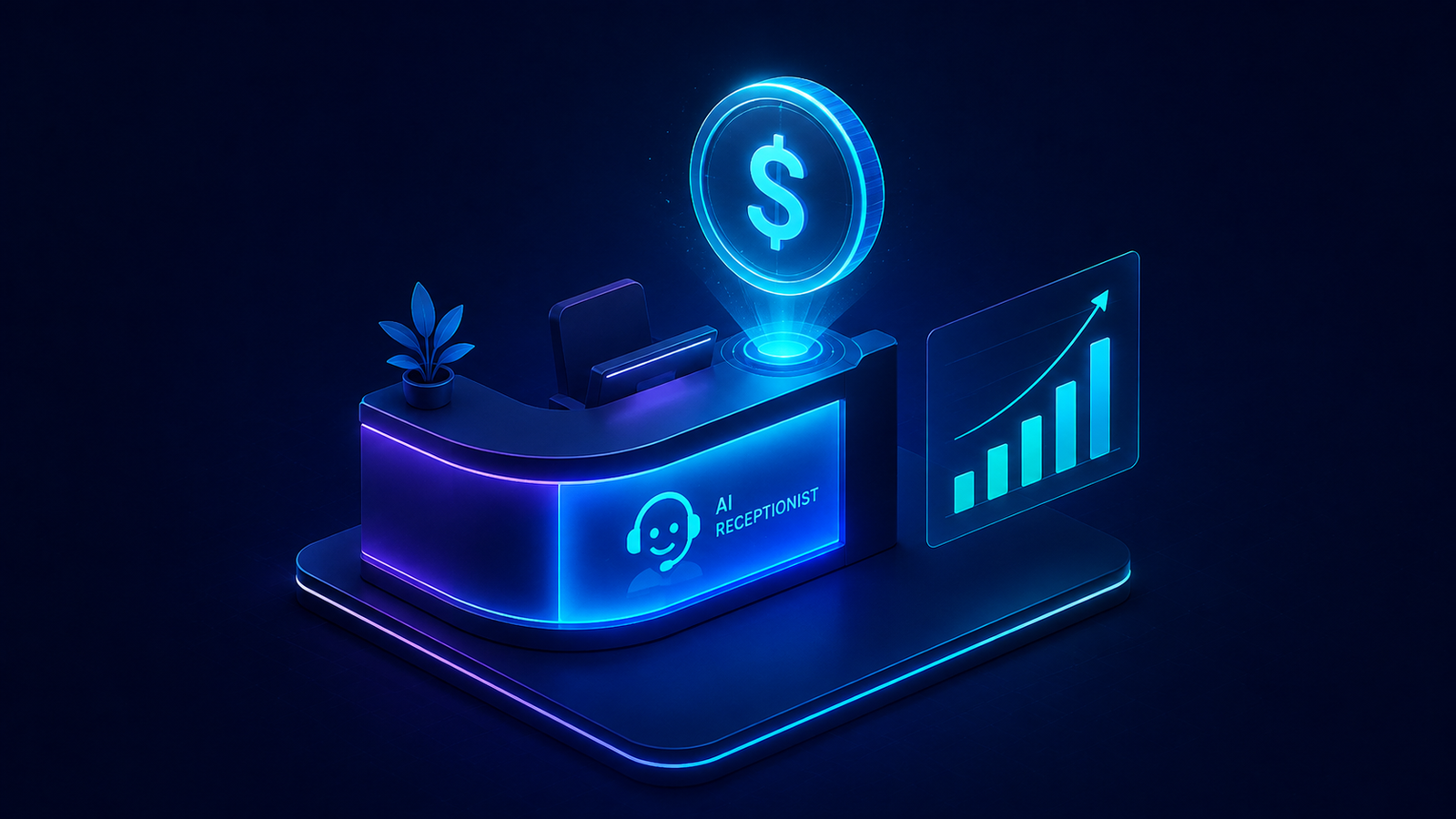
A breakdown of what AI receptionists and website chatbots actually cost in 2026 - fixed monthly tiers, per-resolution billing, and credit-based plans compared, with real numbers.

What AI receptionist software actually covers, which channels different tools handle (chat, email, phone), how it differs from a chatbot, and the buying criteria that matter more than the demo.
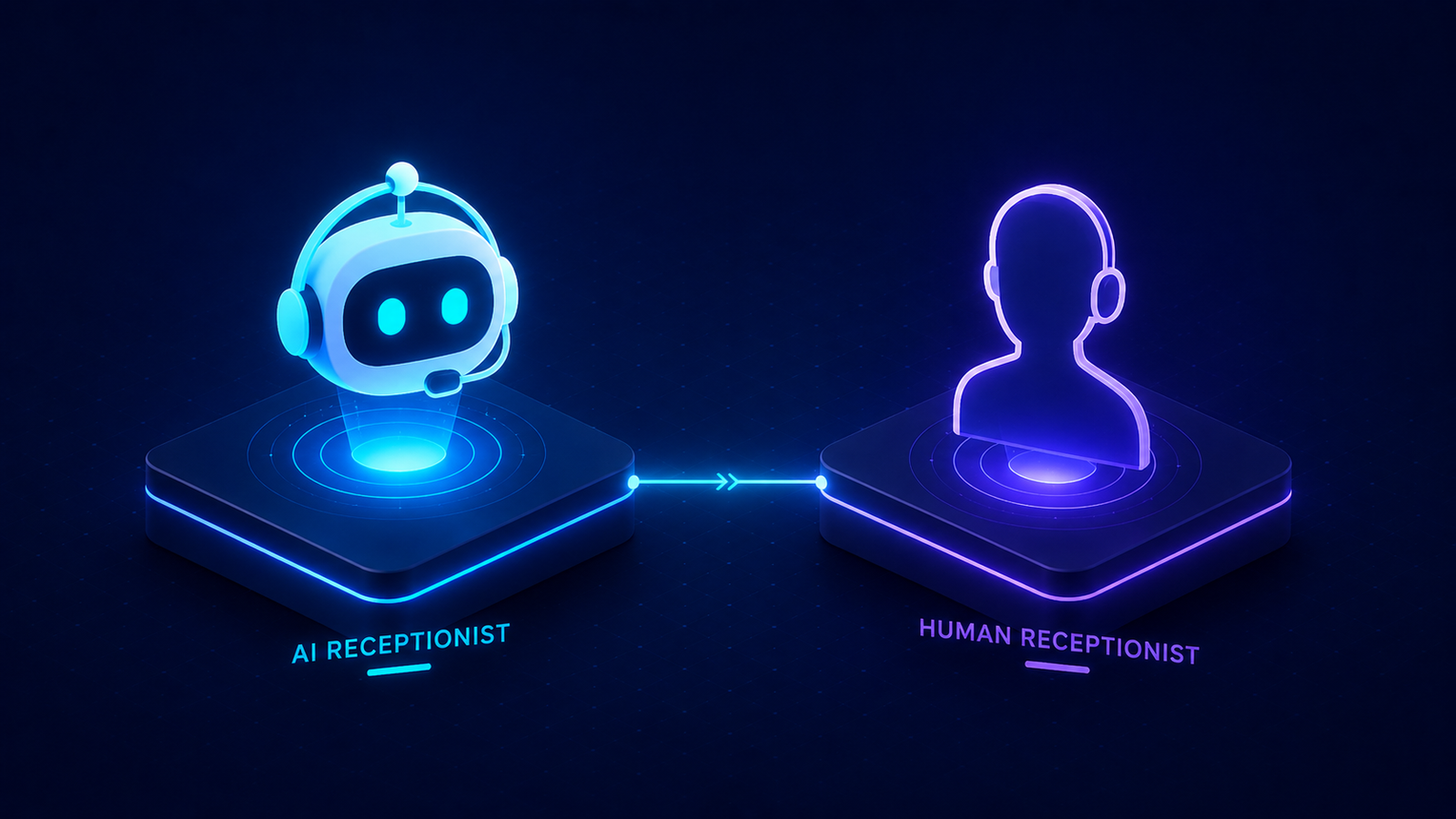
A realistic cost comparison between hiring a human receptionist and using an AI website assistant - salary, availability, and what each actually covers.
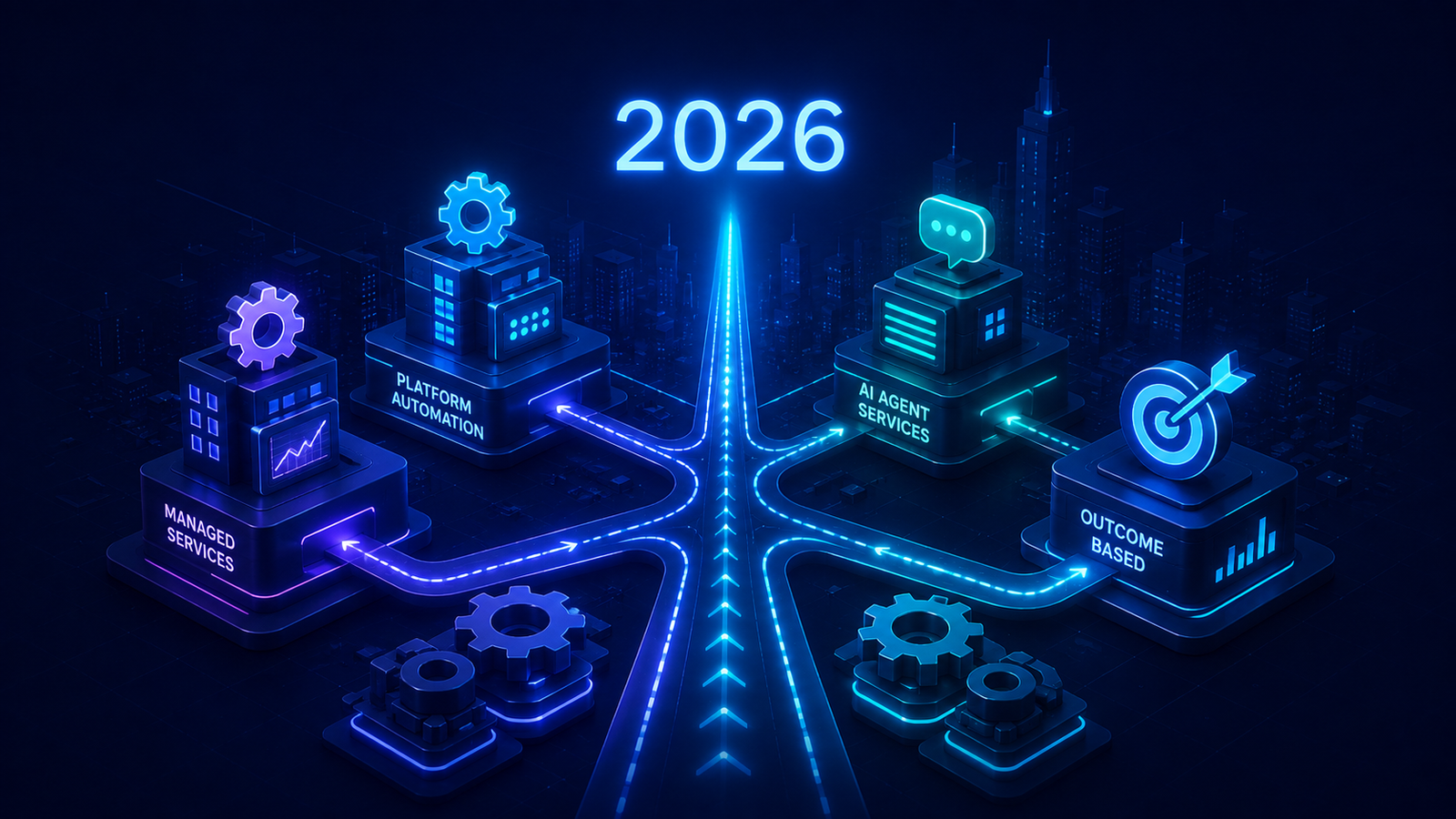
An honest comparison of done-for-you AI automation services in 2026: project-based agencies, managed-service retainers, and self-serve platforms with a managed option - including where Dapto fits.

We compared how Dapto Frontdesk, Intercom (Fin), Chatbase, Landbot, and Tidio actually qualify leads - conversational vs. rule-based, what's included out of the box, and published pricing for each.

We compared the leading AI website assistants - Dapto Frontdesk, Intercom (Fin), Tidio, Chatbase, and Landbot - on qualification, booking, pricing model, and setup effort, with published pricing for each.

Real alternatives to Chatbase - by pricing model, setup effort, and use case - with published pricing and honest tradeoffs for buyers who don't want to build their own agent.

How e-commerce and product teams use Dapto Workbench to track competitor pricing, features, and positioning without a manual monthly audit.
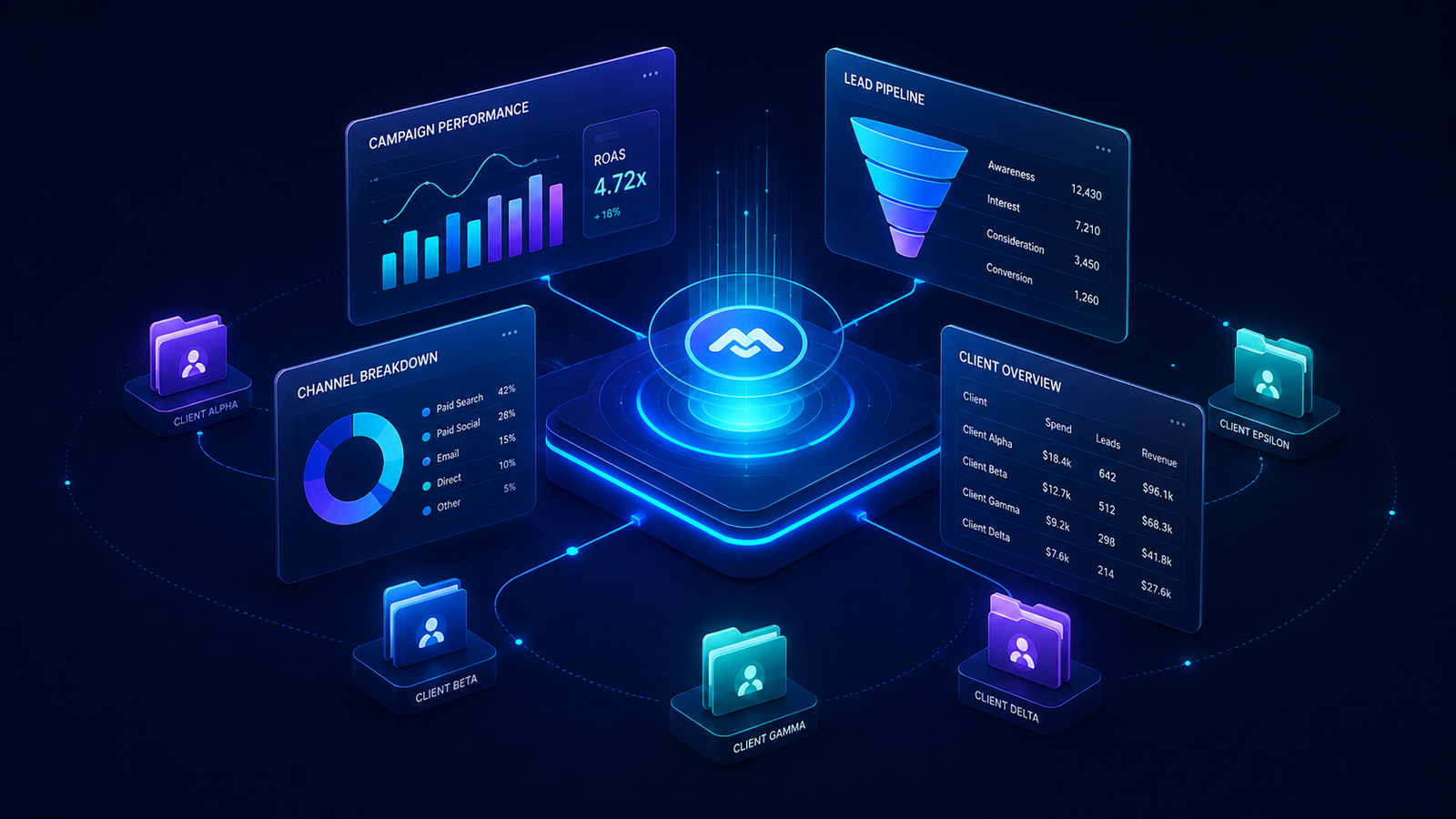
How agencies use Dapto Workbench to turn client reporting from a recurring drain into an automated system - without losing the client-specific customization agencies need.
How consultants and professional services firms use Dapto Workbench to turn recurring deliverables - proposals, research briefs, client updates - into a repeatable system.
How SaaS sales and RevOps teams use Dapto Workbench to research and enrich leads faster than manual prospecting, without losing personalization.
Honest alternatives to Dapto Frontdesk for AI website chatbots - by pricing model, team size, and use case - and when Dapto Frontdesk itself is the better fit.

A factual comparison of Dapto Frontdesk and Chatbase - published pricing, credit-based billing, native booking, and where each one genuinely wins.

A factual comparison of Dapto Frontdesk and Intercom's Fin AI agent - published pricing, per-resolution billing, ticketing, and where each one genuinely wins.

A factual comparison of Dapto Frontdesk and Landbot - published pricing, no-code flow building vs. conversational AI, and where each one genuinely wins.

A factual comparison of Dapto Frontdesk and Tidio - published pricing, native booking, qualification, CRM integrations, and where each one genuinely wins.

What Dapto connects to across AI models, databases, business applications, and cloud storage - and how integration depth differs between Dapto Frontdesk and Workbench plans.

Where Dapto's security posture stands today - encryption, data ownership, compliance status, and payment handling - in plain terms.
What Dapto Workbench handles out of the box - model routing, file and data connections, review steps - that a custom-built ChatGPT or Claude prompt chain usually doesn't. And when DIY is genuinely the better call.

Drift is being sunset - Salesloft and Clari announced its wind-down in March 2026 and named 1mind as its successor. Here's what that means and what to actually evaluate instead.
How Dapto Frontdesk's fixed-tier pricing compares to Drift's custom enterprise pricing and Intercom Fin's per-resolution billing - features, pricing model, and who each is actually built for.
A quick decision guide for choosing between Dapto Frontdesk, Dapto Workbench, and having the Dapto team build a custom automation for you.

Real alternatives to Intercom and its Fin AI agent - by pricing model, team size, and use case - with published pricing and honest tradeoffs, not a vendor-written list.
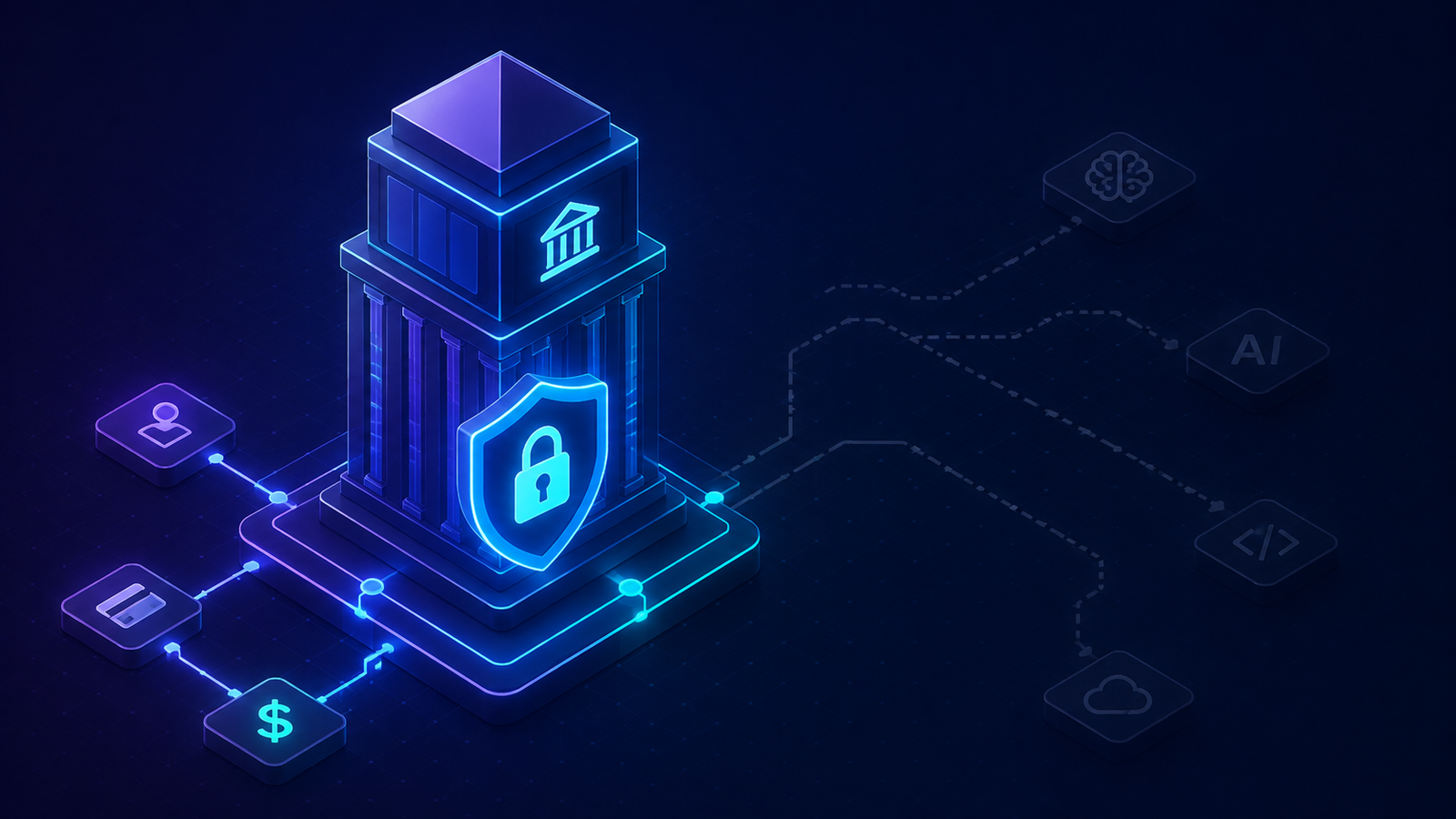
Why shadow AI is a specific risk for banks and financial institutions - PII, PCI, and material nonpublic information leaving the organization through unsanctioned AI tools - and what compliance and risk teams can do about it.

Real alternatives to Tidio - by pricing model, use case, and what each one actually does better - with published pricing and honest tradeoffs.
A quick way to tell whether a process on your team is actually worth automating - five questions to ask before you invest time in it.

A specific breakdown of what human oversight looks like in Dapto's products - monitoring, review steps, exception handling - instead of a vague trust claim.

A clear definition of what an AI work platform is, how it differs from a chatbot or a single AI tool, and what Dapto Prism specifically is underneath Dapto Frontdesk and Workbench.
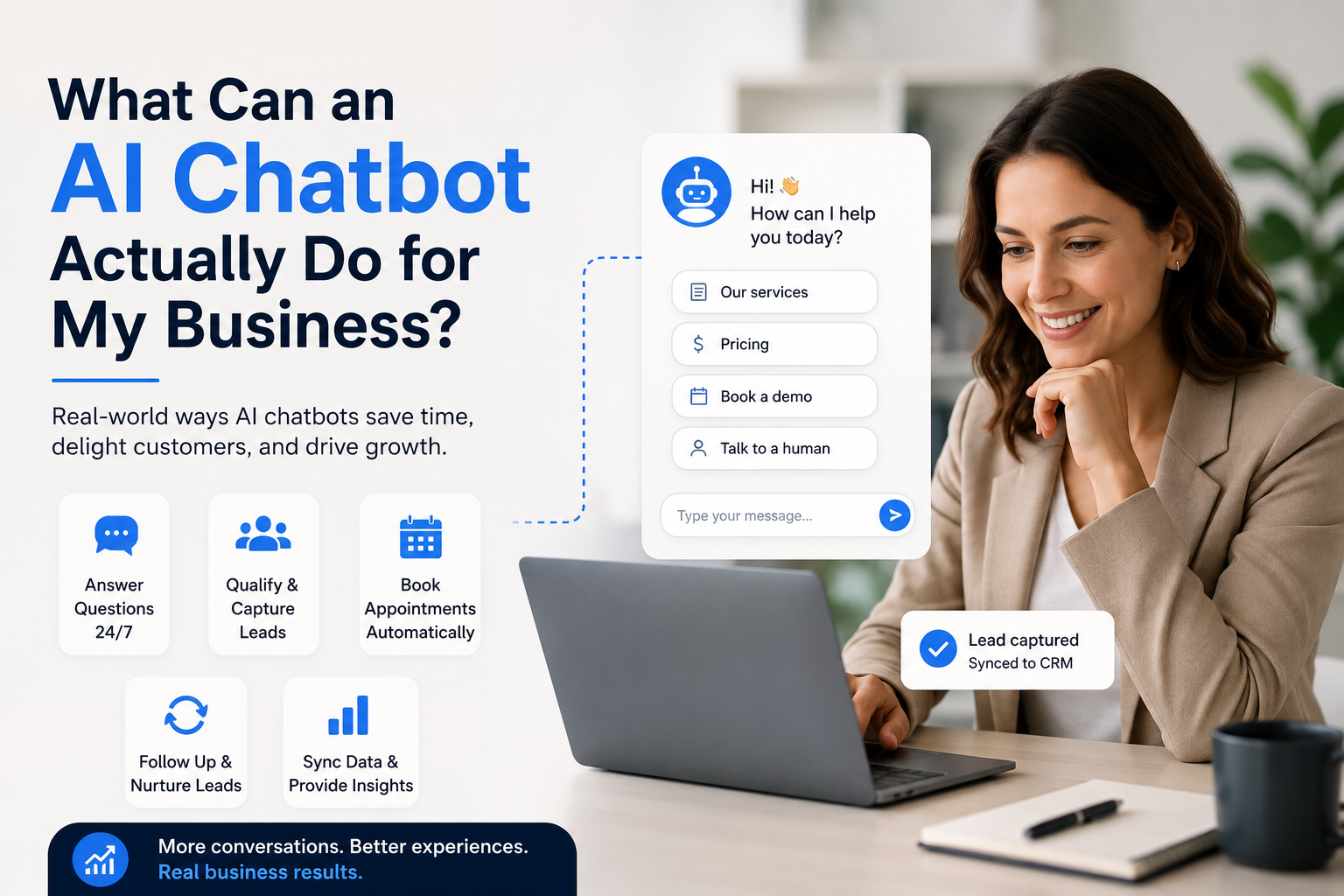
A straight answer on what AI chatbots really do in 2026 — the tasks they handle, the percentage of inquiries they resolve, what they still can't do, and how to tell a real AI front office from a glorified FAQ widget.
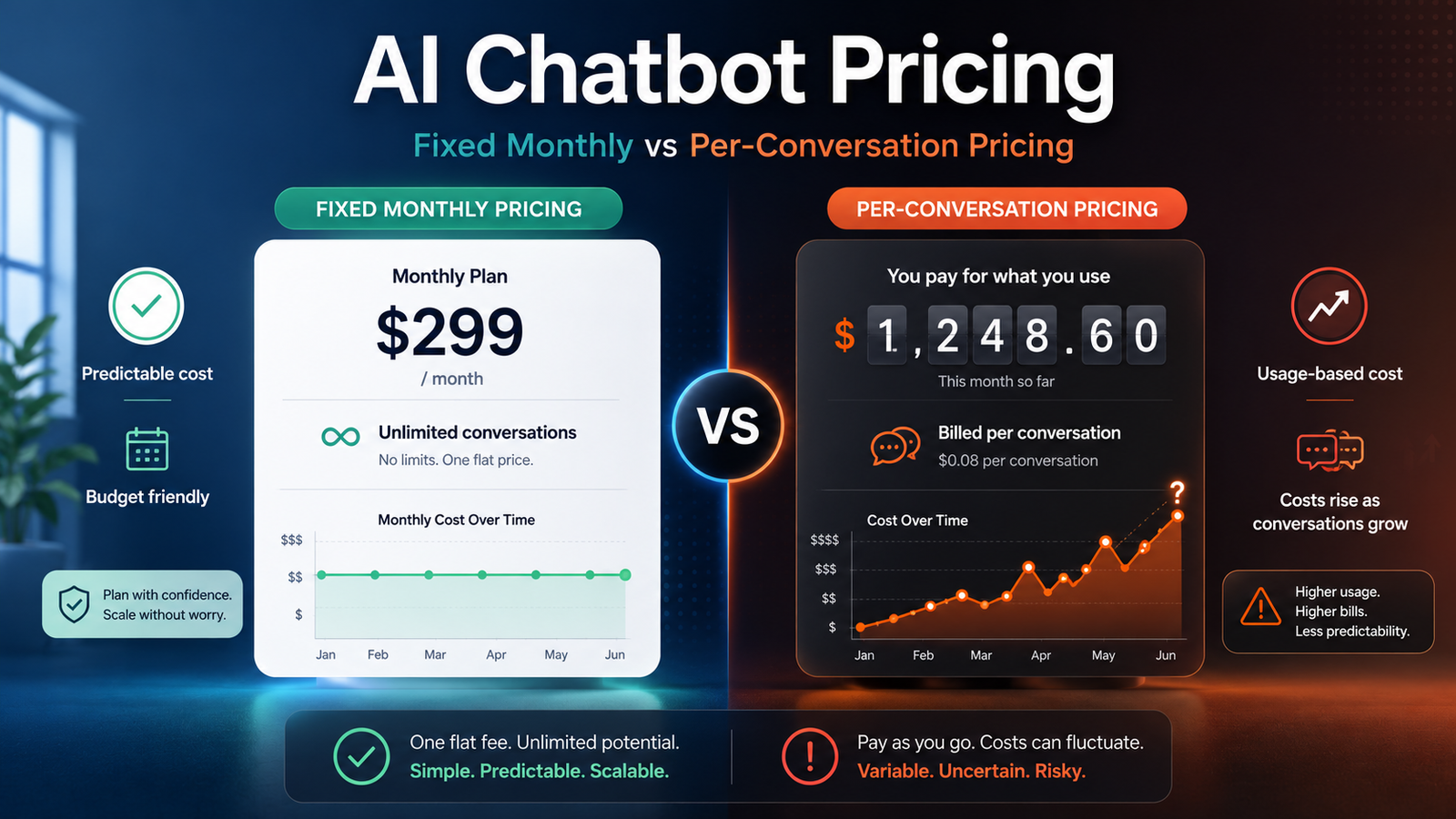
Compare fixed monthly AI chatbot pricing with per-conversation, per-resolution, and credit-based pricing. Learn which model is better for website lead generation, support, and appointment booking.
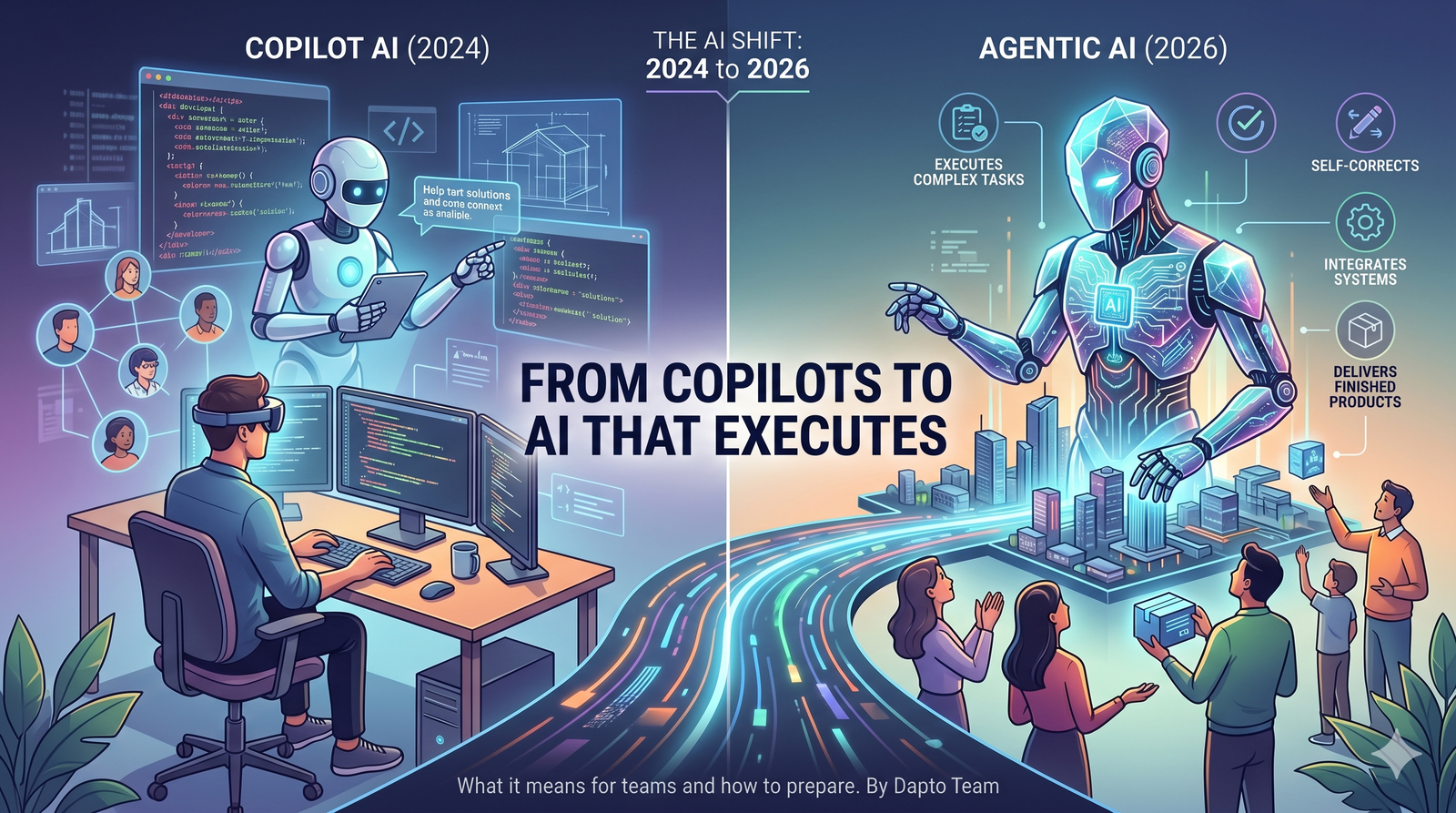
The AI industry is shifting from copilots that assist to agents that execute. Learn what's driving the change, what it means for teams, and how to prepare for agentic AI in 2026.
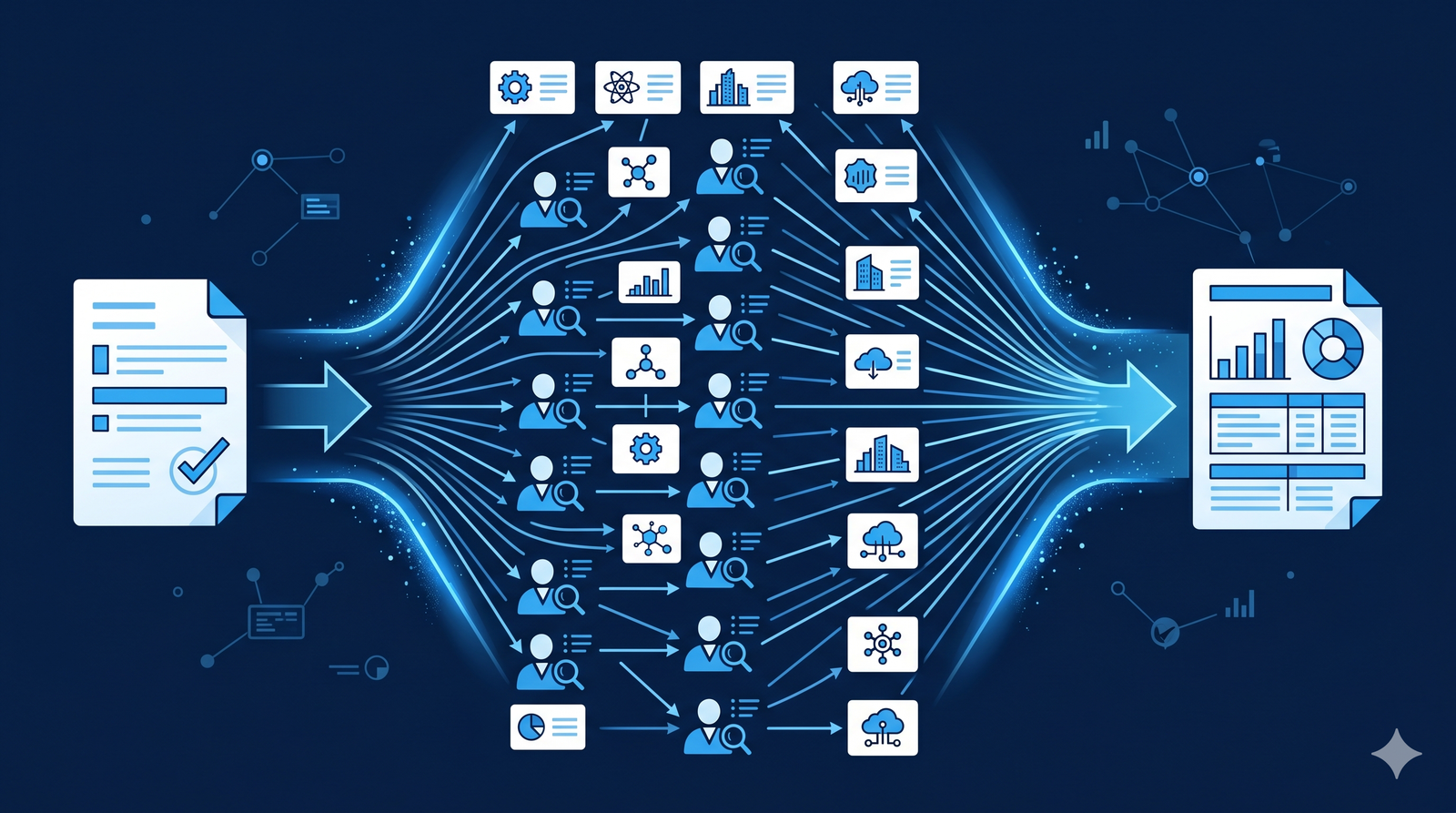
Manual competitive research takes hours. AI agents with parallel processing deliver the same depth in minutes. Here is the step-by-step workflow with real examples and practical tips.
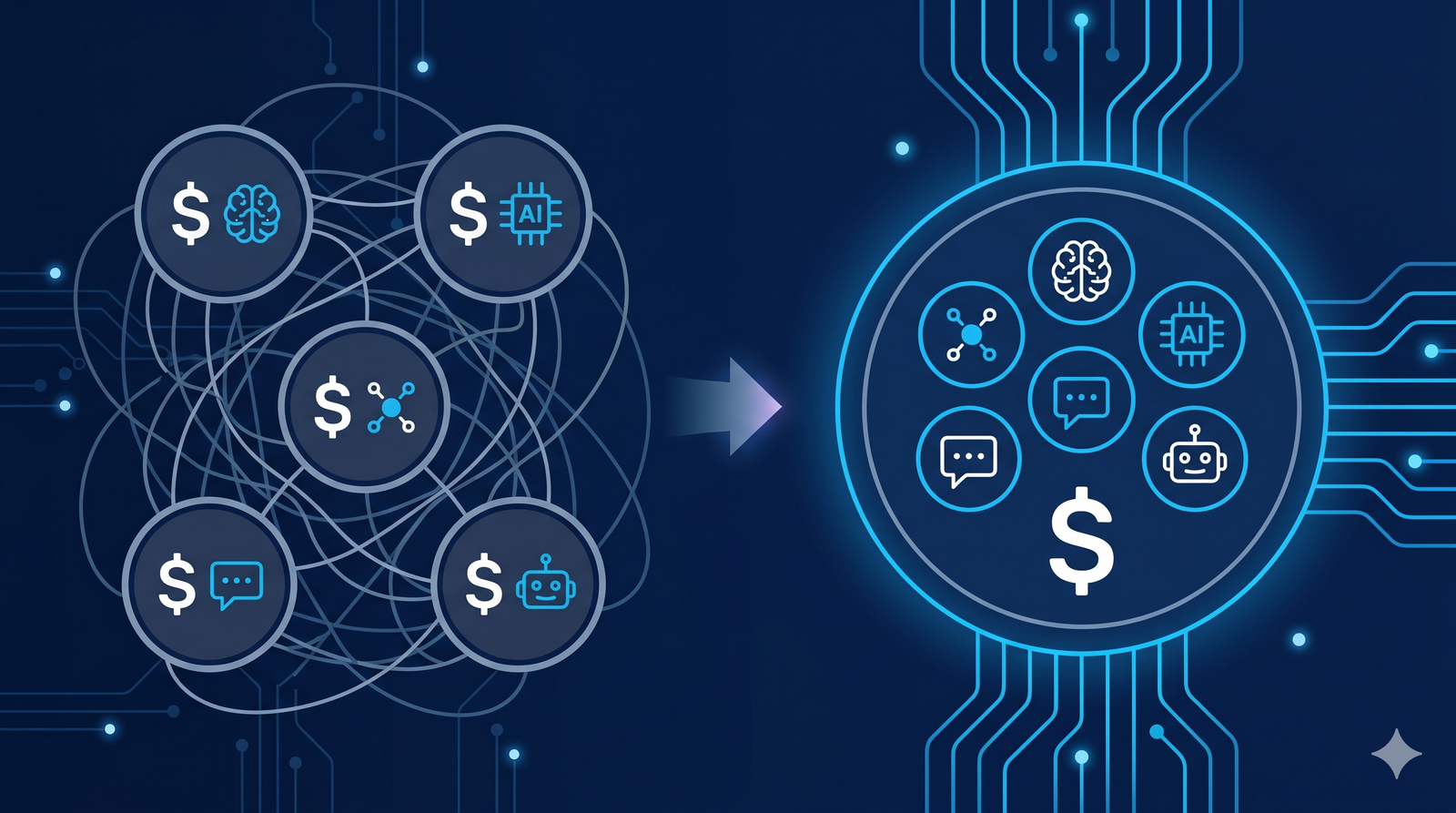
Teams spend $60 or more per user on separate AI subscriptions with no governance. Learn how consolidation and model routing cut AI costs by 70% while improving results.
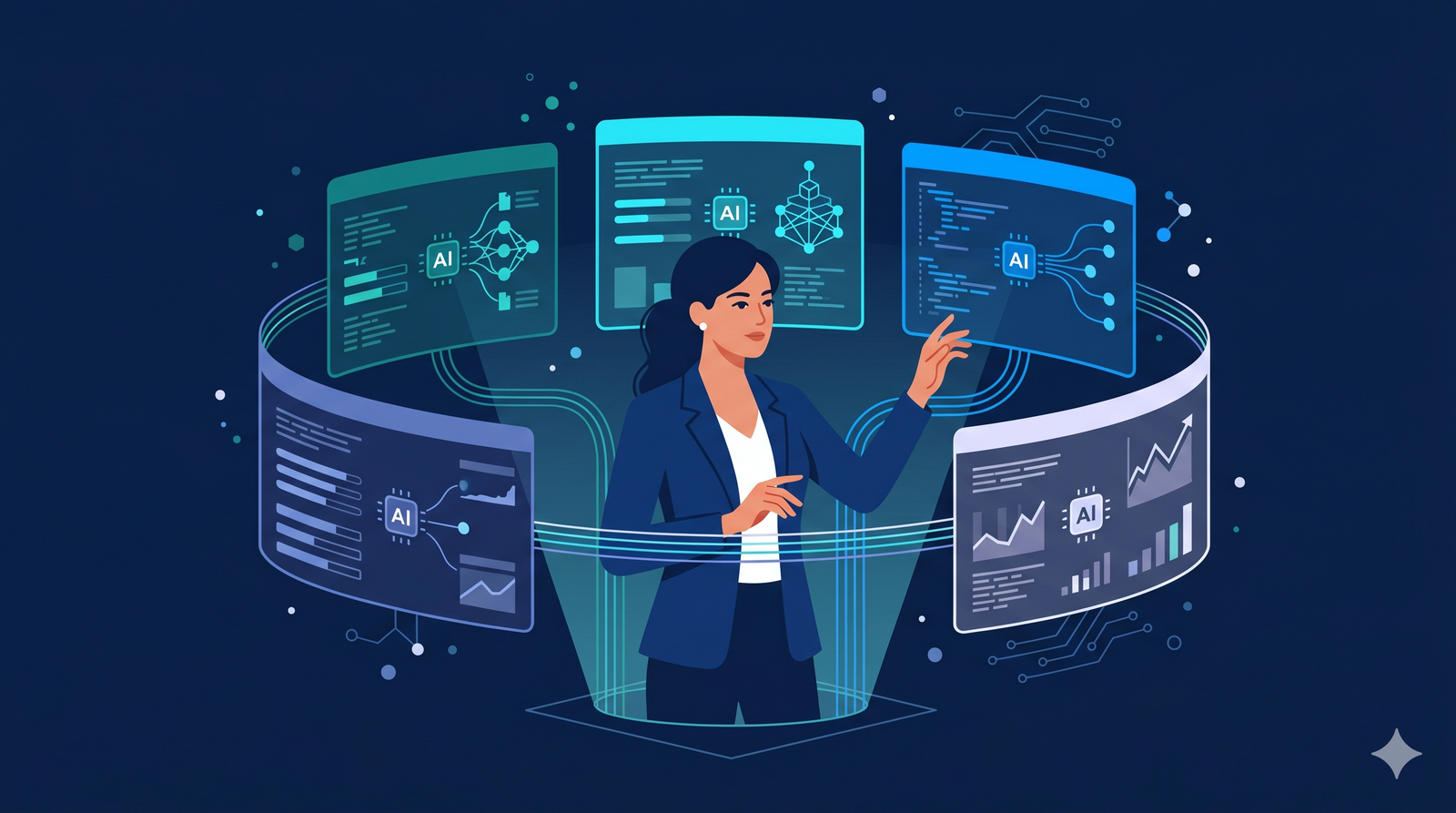
Fractional CTOs, CDOs, and CIOs juggle multiple clients with limited hours. Here are the AI tools and workflows that let you deliver enterprise-quality work at independent-consultant speed.

We compared the leading AI agent platforms side by side - Manus, Taskade, SuperNinja, Lindy, ChatGPT Agent, and Dapto Workbench - on execution, team features, model access, pricing, and who each is actually built for.
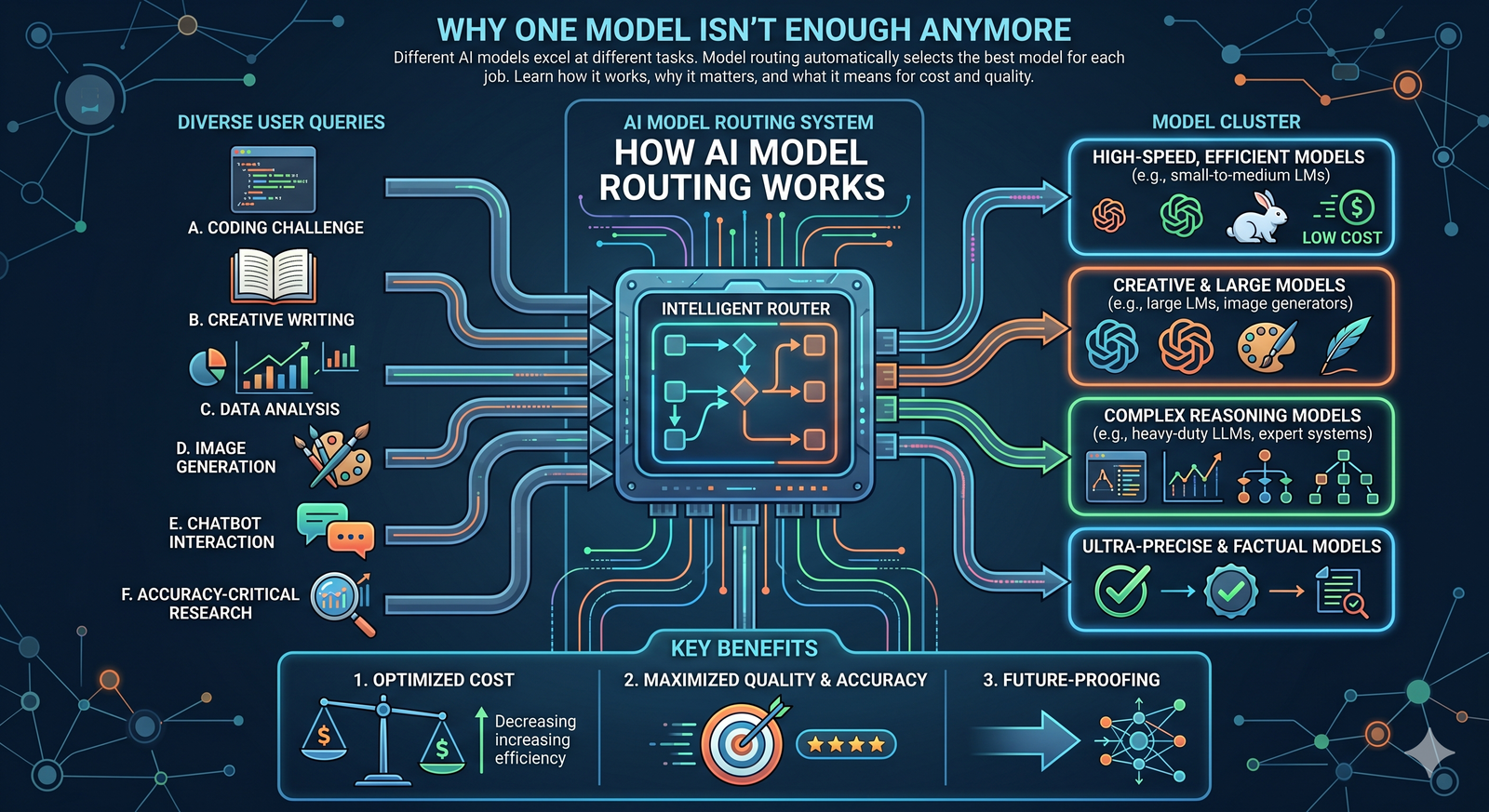
Different AI models excel at different tasks. Model routing automatically selects the best model for each job. Learn how it works, why it matters, and what it means for cost and quality.
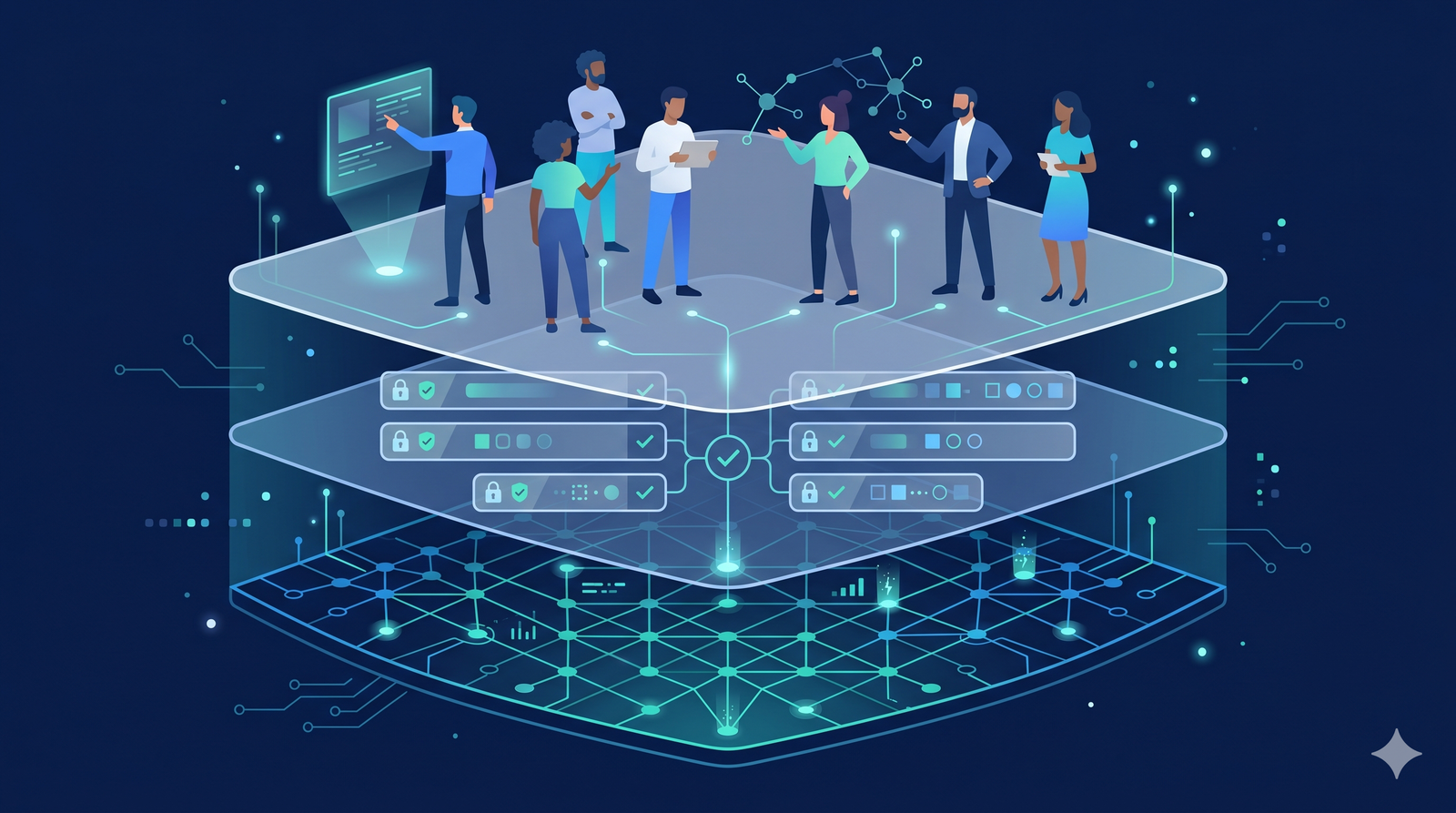
Only 37% of organizations have AI governance policies. This step-by-step guide shows you how to create one that protects your data while letting your team use AI productively.
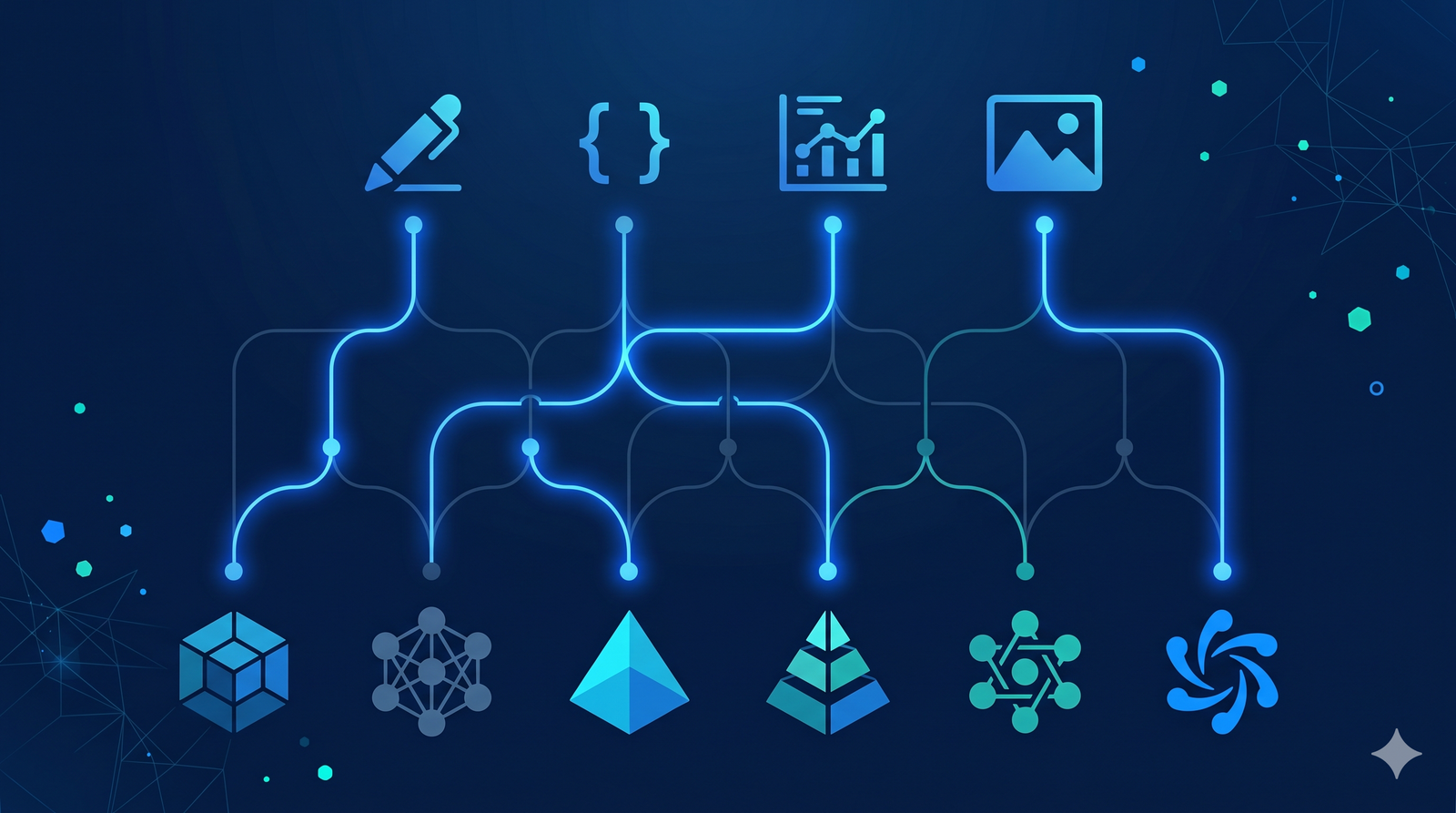
Claude excels at writing. GPT leads on analysis. Gemini wins multimodal. This guide maps task types to AI model strengths so you get the best results without paying for models you do not need.
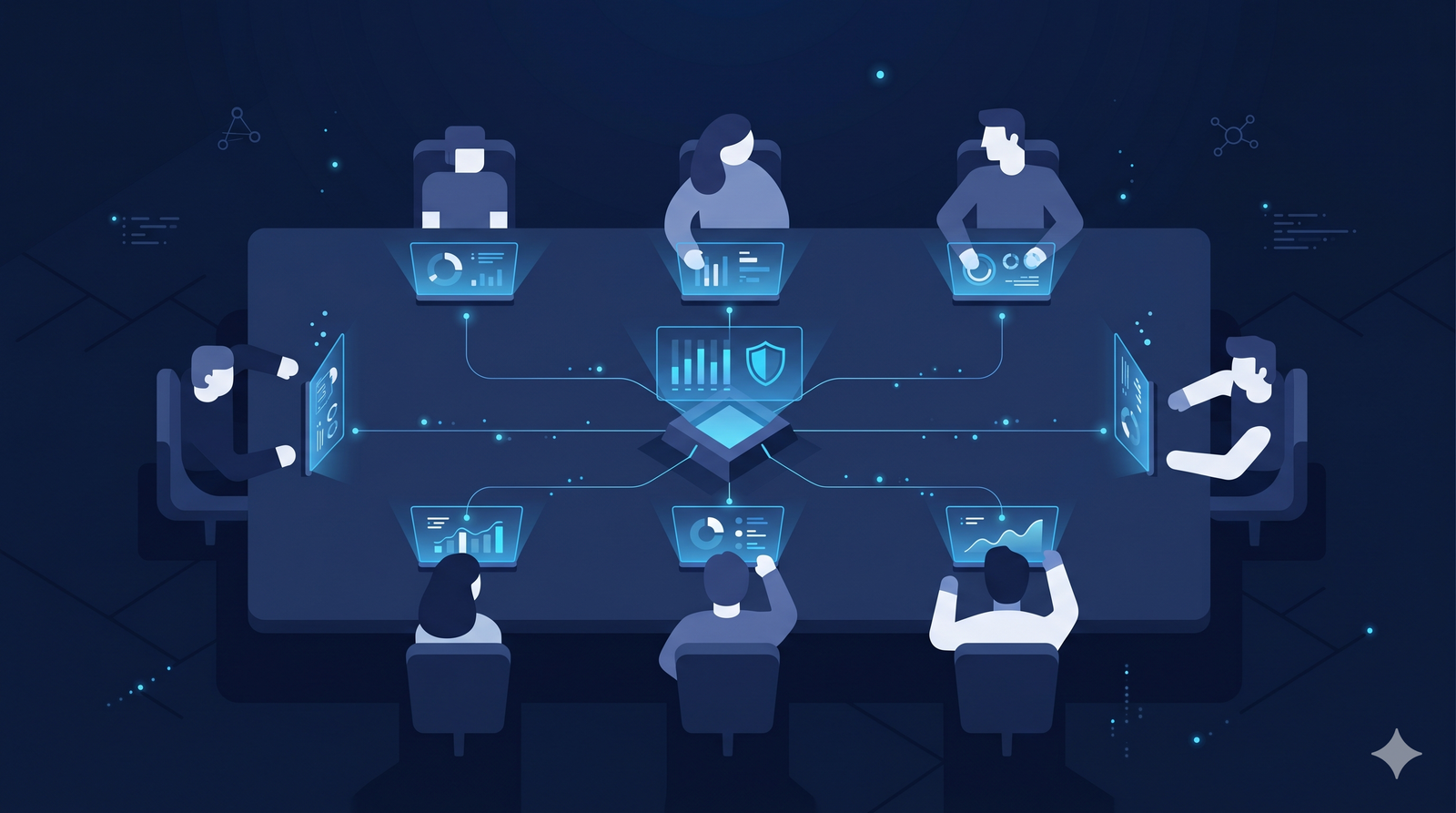
Your team is using AI already. The question is whether you have visibility, consistency, and governance or whether everyone is doing their own thing. Here is the practical playbook for managed team AI.
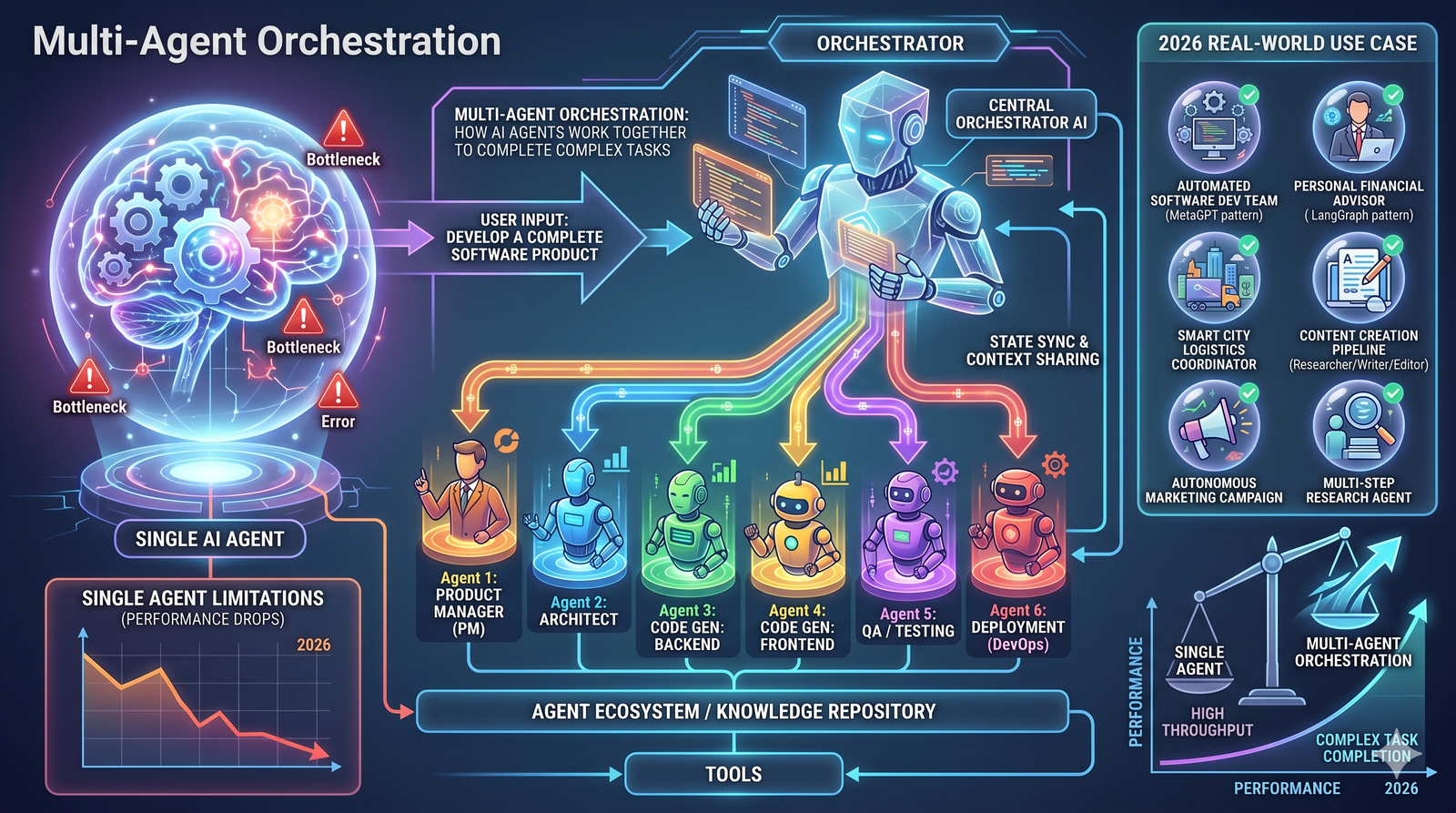
Multi-agent orchestration splits complex work across specialized AI agents working in parallel. Learn how it works, why it outperforms single agents, and where it's being used in 2026.
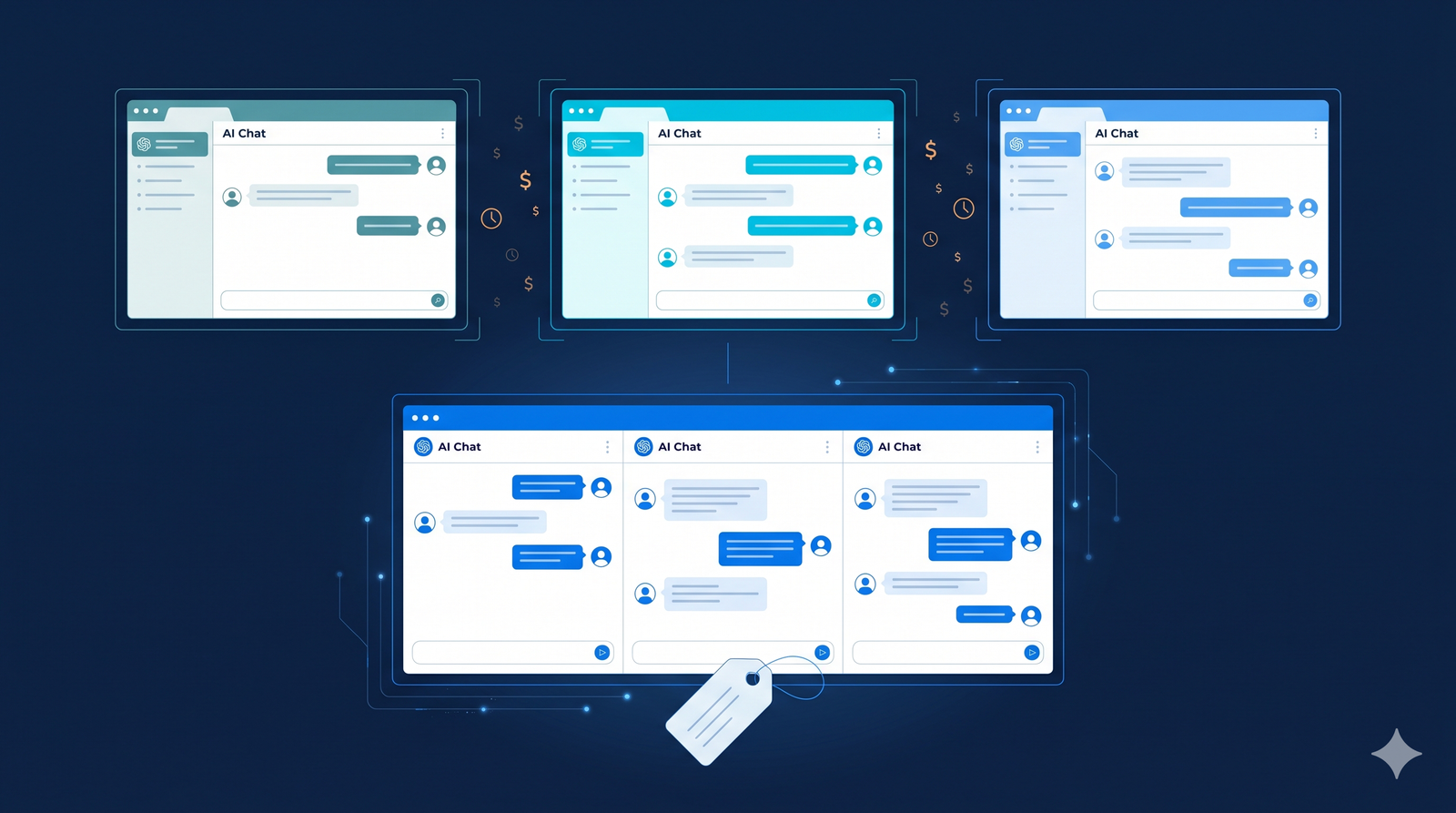
Most teams pay $60 or more per user per month across separate AI subscriptions with no shared workspace and no governance. Here is what that actually costs and how to fix it.

AI agents are autonomous software that plans, executes, and delivers finished work without step-by-step human input. Learn how they work, where they're used, and what's changing in 2026.
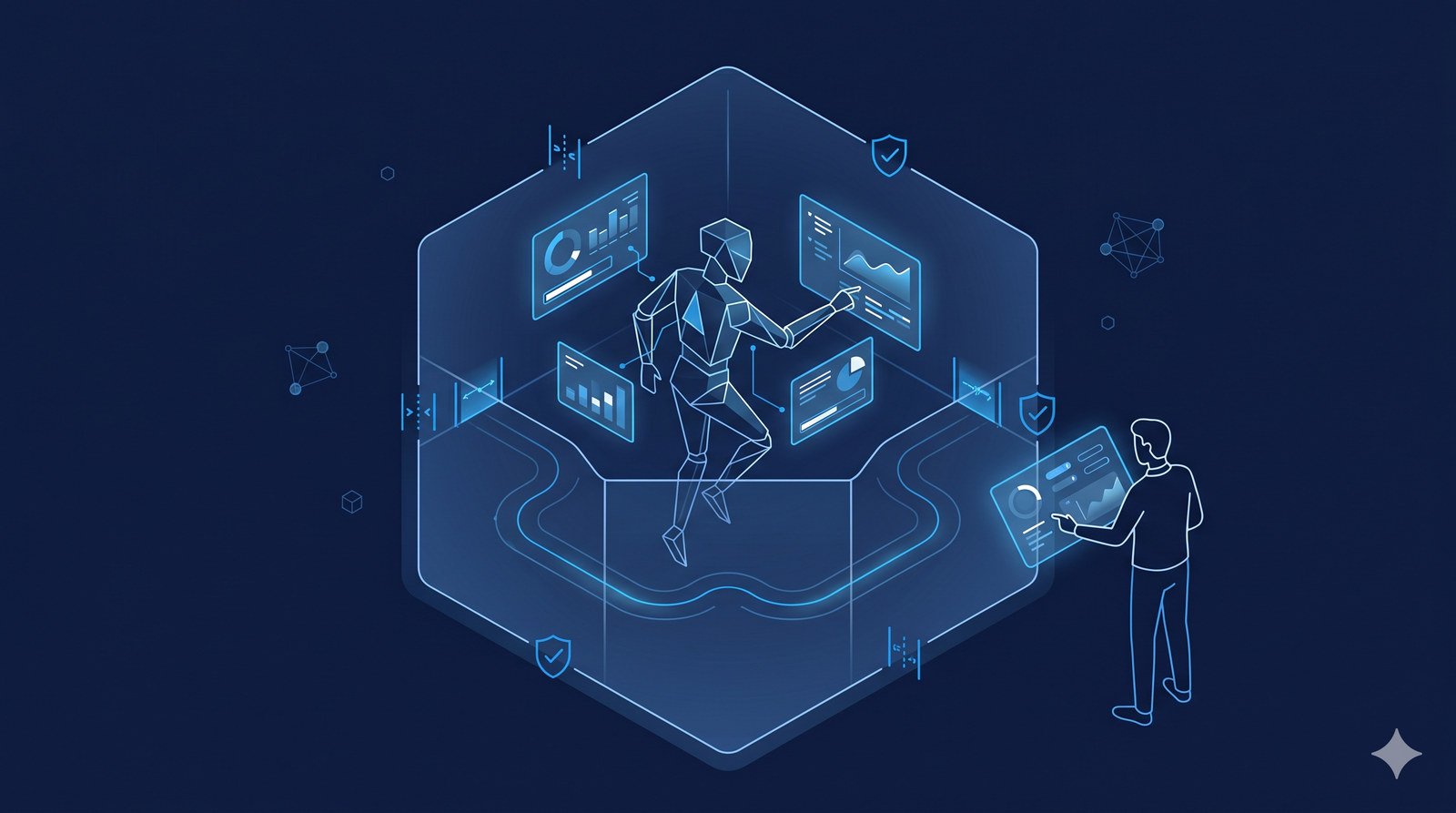
Gartner predicts over 40% of agentic AI projects will be canceled by 2027. Weak governance is the primary driver. Learn what AI agent governance means and how to implement it before your projects fail.
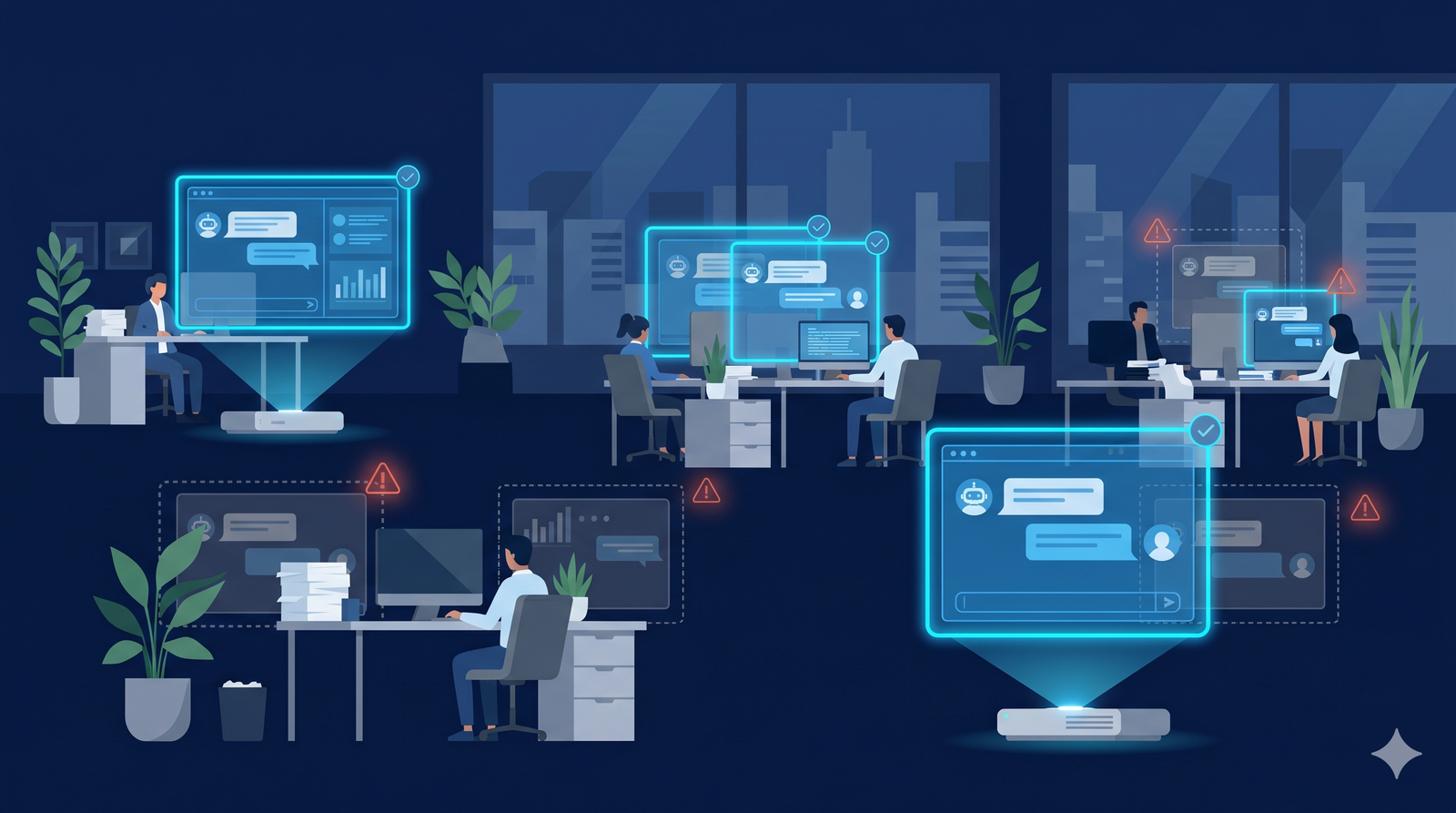
Shadow AI is the unauthorized use of AI tools by employees without IT approval. Learn why it happens, what risks it creates, and how to manage it without killing productivity.
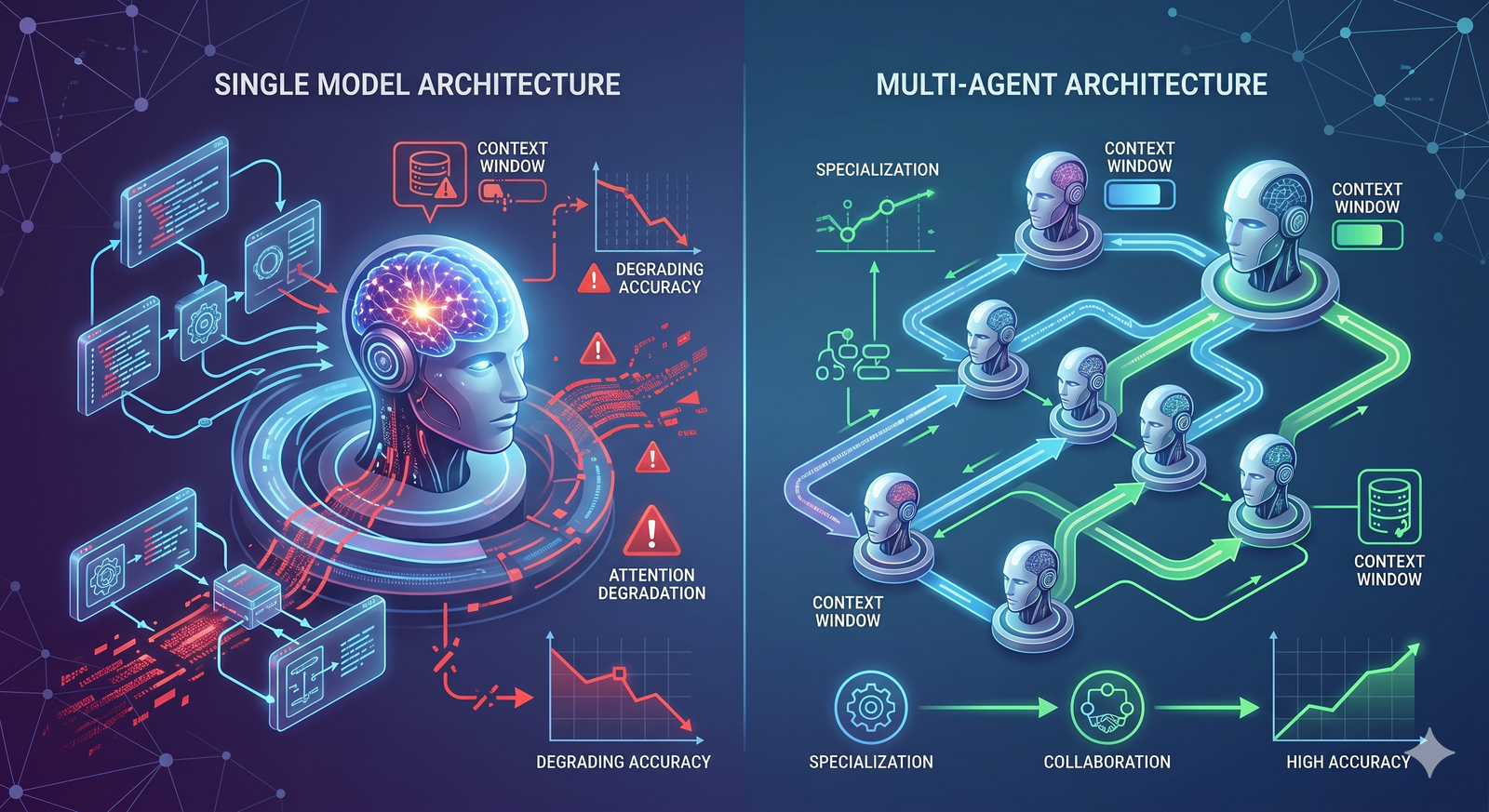
AI models lose accuracy on long, complex tasks due to context window limits and attention degradation. Learn why this happens and how multi-agent architecture fixes it.