AI Agent Glossary: Agentic AI, Multi-Agent Systems, Shadow AI, and More
Clear, one-paragraph definitions of the AI agent terms that come up most - agentic AI, multi-agent architecture, shadow AI, AI governance, and model routing - with links to deeper guides on each.
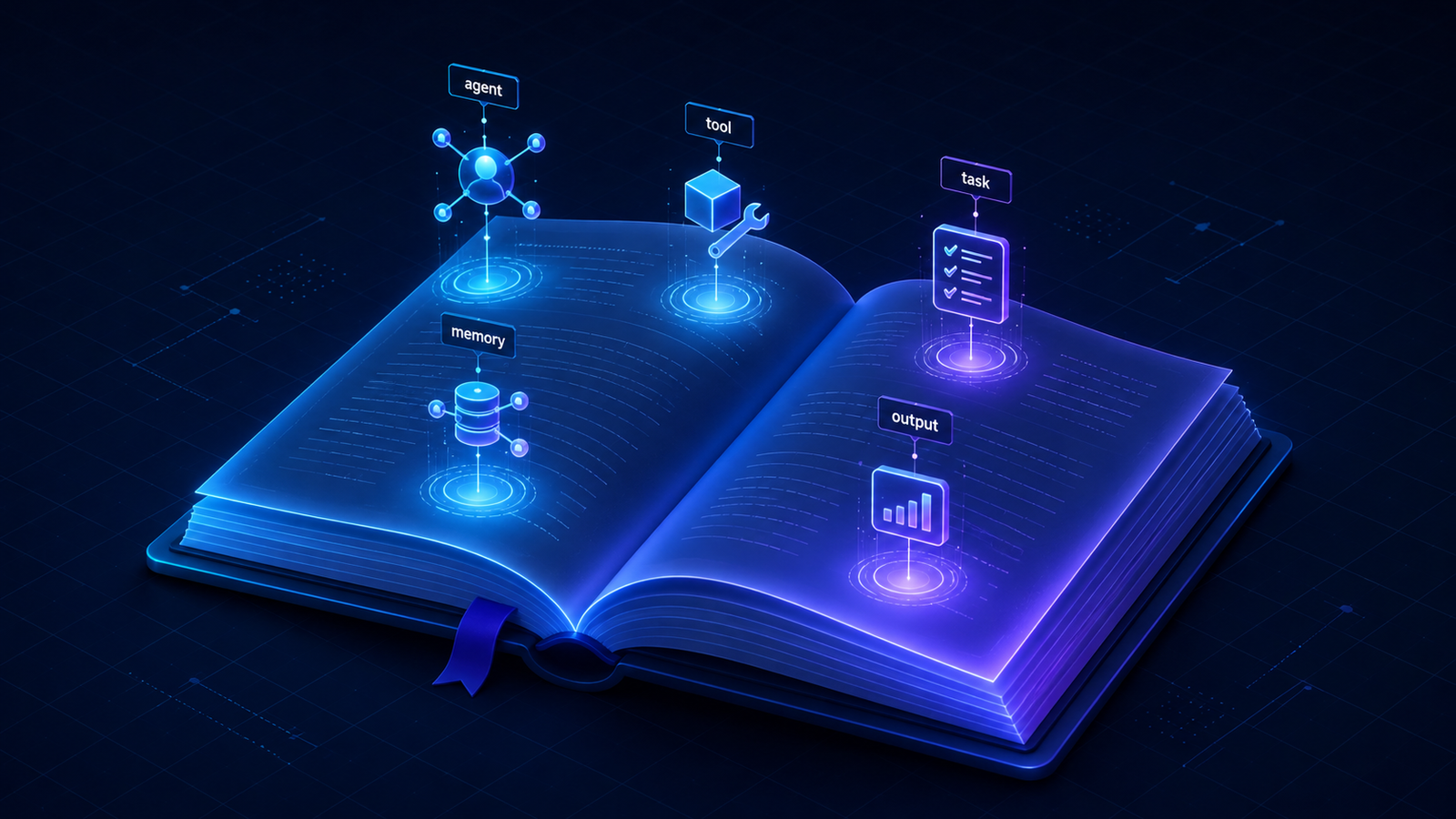
A short, no-fluff reference for the AI agent terms that show up constantly and rarely get defined clearly in one place.
Quick Answer
AI agent terminology in brief: an AI agent is autonomous software that plans, executes, and delivers finished work without step-by-step prompting. Agentic AI describes the shift from AI that responds to AI that acts. Multi-agent architecture splits work across several specialized agents instead of one general-purpose model. Shadow AI is unsanctioned AI tool use outside an organization's visibility or control. AI governance is the set of policies and controls that manage how AI is used safely across a team. Model routing is choosing the right AI model for a specific task rather than using one model for everything.
Core terms
AI agent - Autonomous software that takes a goal, breaks it into steps, uses tools to complete each step, and delivers a finished result without you managing every action. → Full guide: What are AI agents?
Agentic AI - The shift from AI that only responds to prompts (chatbots) to AI that plans and executes multi-step work on its own. → Full guide: The shift from copilots to agents
Multi-agent architecture - Splitting a complex task across multiple specialized AI agents instead of relying on one general-purpose model to do everything, often improving quality on large or multi-part tasks. → Full guide: Multi-agent architecture
Shadow AI - Employees using AI tools that aren't sanctioned or visible to the organization - personal accounts, unapproved browser extensions, unofficial copilots. → Full guide: What is shadow AI?
AI agent governance - The policies, access controls, and audit practices that manage how AI agents and tools are used safely across a team or organization. → Full guide: What is AI agent governance?
Model routing - Automatically directing a given task to the AI model best suited for it, rather than routing every task through a single model regardless of fit. → Full guide: How AI model routing works
Done-for-you AI automation - A service model where a provider builds and manages an AI-powered automation on a business's behalf, as opposed to a self-serve tool the business configures itself. → Full comparison: Best done-for-you AI automation services
FAQ
What's the difference between an AI agent and a chatbot?
A chatbot responds to a prompt and waits for the next one. An AI agent takes a goal, plans the steps, uses tools to execute them, and delivers a finished result with far less step-by-step direction.
Is "agentic AI" just a rebrand of automation?
Not quite - traditional automation follows fixed, pre-programmed steps. Agentic AI plans its own steps toward a goal and can adapt when something doesn't go as expected, which is the meaningful difference from rule-based automation.
Go deeper
Each term above links to a full guide. Start with what are AI agents? if you're new to the space.
See how this applies in practice with Dapto Workbench - an AI work platform for reports, documents, data checks, and other repeatable business work.
Learn more